Reactive maintenance—fixing things only after they break—is an expensive and disruptive way to manage a high-performance sports facility. Athletes expect a consistent, flawless environment every day. Our maintenance planning service shifts facility management from reactive firefighting to proactive strategy. We help facility managers establish clear protocols that prevent failures before they occur.
Developing Inspection Routines
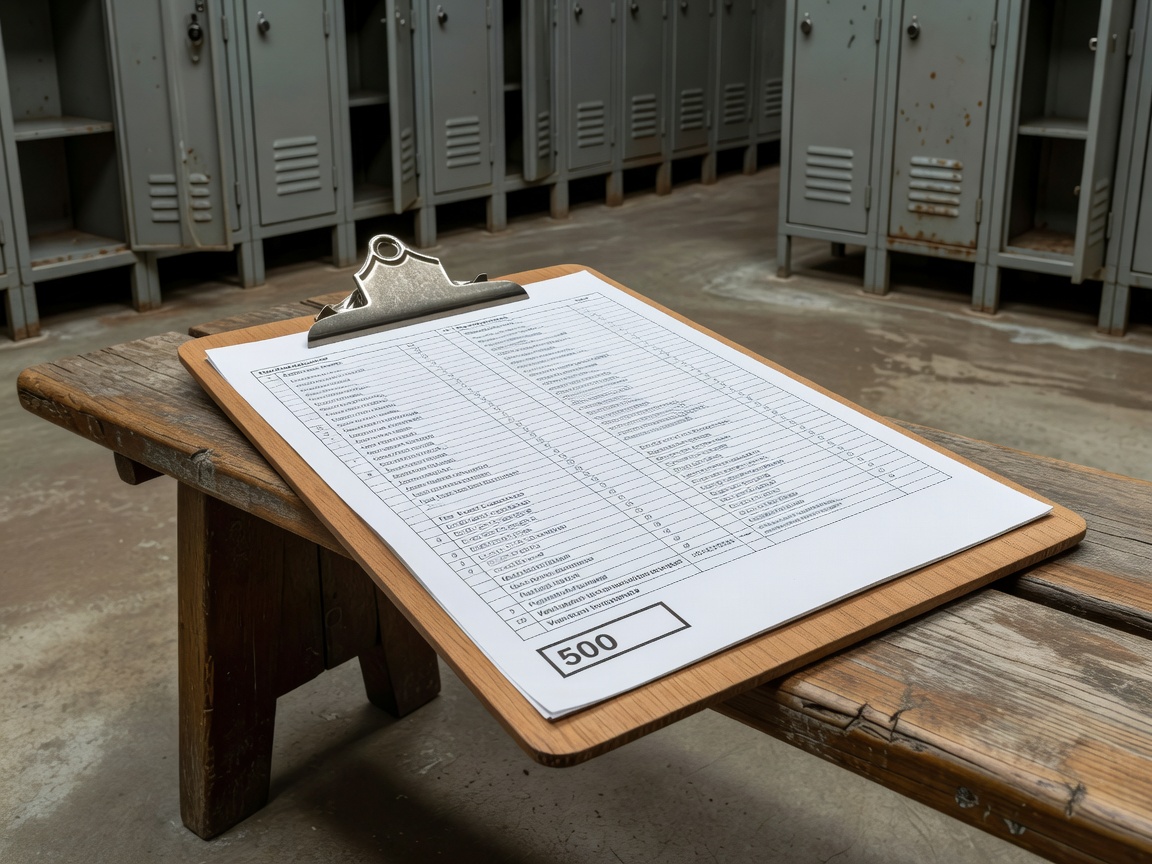
We work with your existing janitorial and facility staff to create layered inspection routines. Daily routines focus on visual checks (e.g., reporting a locker door that won't close). Weekly checks involve deeper operational tests, such as running all drying fans to listen for bearing noise. Monthly and quarterly inspections, often handled by our specialized technicians, dive into structural integrity, moisture mapping, and mechanical hardware torque checks.
Seasonal Maintenance and Prioritization
The rhythm of the sports season dictates maintenance windows. We map out annual maintenance calendars that align with your team's schedule. During the off-season or extended road trips, we schedule intrusive work like deep floor regrouting, locker repainting, and hardware overhauls.
Repair prioritization is critical. We categorize all issues into safety hazards, operational failures, and aesthetic degradation. This ensures that budget and time are allocated to the most critical infrastructure first, keeping the facility safe and compliant.
Asset Records and Lifecycle Tracking
Every fixed asset in a locker room has an expected lifespan. By tagging and logging individual locker units, benches, and specialized equipment, we create a comprehensive asset record. This allows us to:
- Track the repair history of specific units to identify recurring failures.
- Forecast when a piece of equipment will become more expensive to fix than to replace.
- Assist financial controllers in planning capital expenditure (CapEx) for future modernization projects.
- Ensure warranty conditions are met through documented preventive care.
What to Know: Mitigating Facility Downtime
The primary goal of maintenance planning is the absolute minimization of unexpected downtime. If a locker bank suffers a catastrophic mechanical failure during a game week, the disruption is massive. By implementing our planning structures, these potential failure points are identified and rectified weeks or months in advance, silently and without disrupting the team.

Good For
Facility managers, stadium operators, and sports organization directors who need to bring predictability to their operations budget and eliminate surprise breakdowns. It is especially valuable for large, multi-team facilities where tracking individual asset health is complex.